Explore the Fiber Cement Siding Benefits
You may know about fiber cement siding. The name may evocate images that couldn't be any further from the truth of a dull cement wall. Consisting of cement, sand, water and cellulose wood fibers, the cement fiber is designed to make a material that is resistant to fire, insect and weather. Fiber cement can be formed to resemble materials such as wood boards or stucco without heavy maintenance, because it is made from a cement type blend.
Fiber cement is more durable and better-painted because there are no knots or other inconsistencies of wood, reducing maintenance costs. The siding not only poorly needs less maintenance but is also resistant to moisture, termites, shrinkage, cracking, fading, damage to other insects and impact. The maintenance regiment depends on whether the product has been painted or painted on site.
It is available in different thickness. The product is cheaper and usually used in housing for lower costs. It can become wavy in time as a result of this product. This is more durable and sturdier, thicker siding. It is popular with James Hardie for this product.
Durability
The cement siding of fibers is designed to withstand the worst-case conditions: UV rays in the summer, winds of hurricanes in the spring, and snow and hailstorms in the winter. It does not expand, contract, or become durable, with moisture and temperature. Even when properly installed and well maintained, quality fiber cement siding as Hardie Board can last more than 50 years.
Customized Style
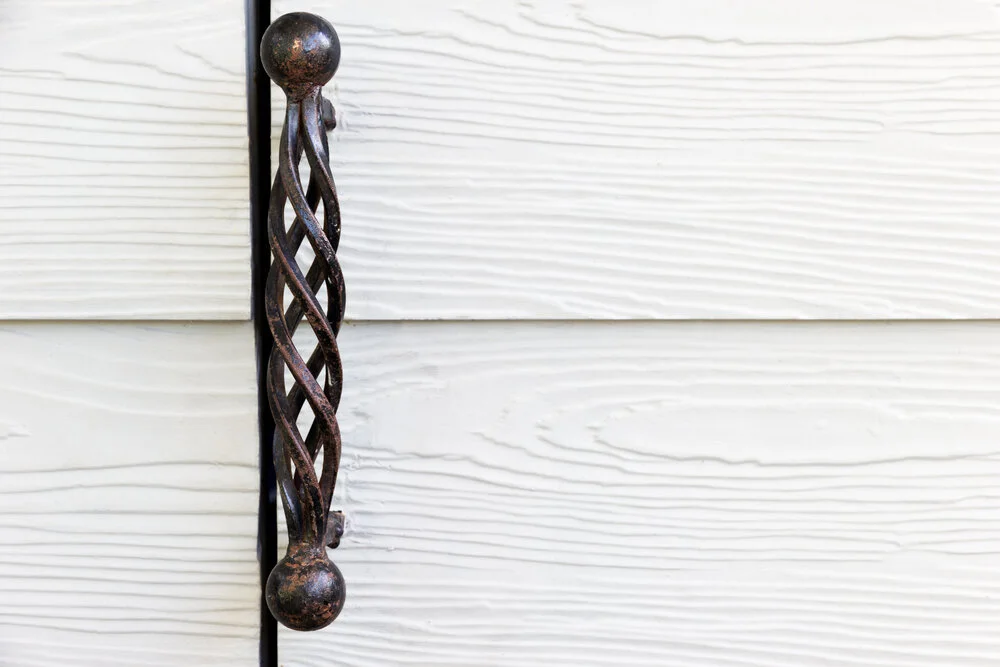
Fiber cement sidings may look like stucco, wood clapboards or shingles of cedar. Historical houses with wood exterior that deteriorated over the years are often preserved. Homeowners find that the James Hardie siding’s deep shades and warm wood grain texture replicate better wood appearance than vinyl without the associated costs and years of natural material maintenance. It is also chosen to mix stone elements with a cement fiber board and a batten in modern homes, for example.
Fire Proof
The quality of fiber concrete layer fire protection is unrivaled and can be a major point of sale. Wood-based sidings are natural fuel for a fire, and vinyl siding melt in fire. Fiber cement, on the other hand, will not fuel a fire and ignite from outside fire. Right next to a home with a fiber cement side you even can store and use your outdoor grill.
Environmentally Friendly
The production of cement fibers is a relatively sustainable option if fossil fuels for vinyl siding are avoided and deforestation practices are used for wood siding. The longevity of the material probably compensates for production pollution. In addition, while there are no fiber cement waste recycling schemes, the chances of ending up in a waste disposal are much less than vinyl simply on the basis of the length it lasts at home. Ask your siding company for the product you want.
Reach at Salute Exteriors. In our siding company in OKC we provide the fiber cement siding the way you want.