How to Protect Siding from Freeze Thaw Cycle Damage?
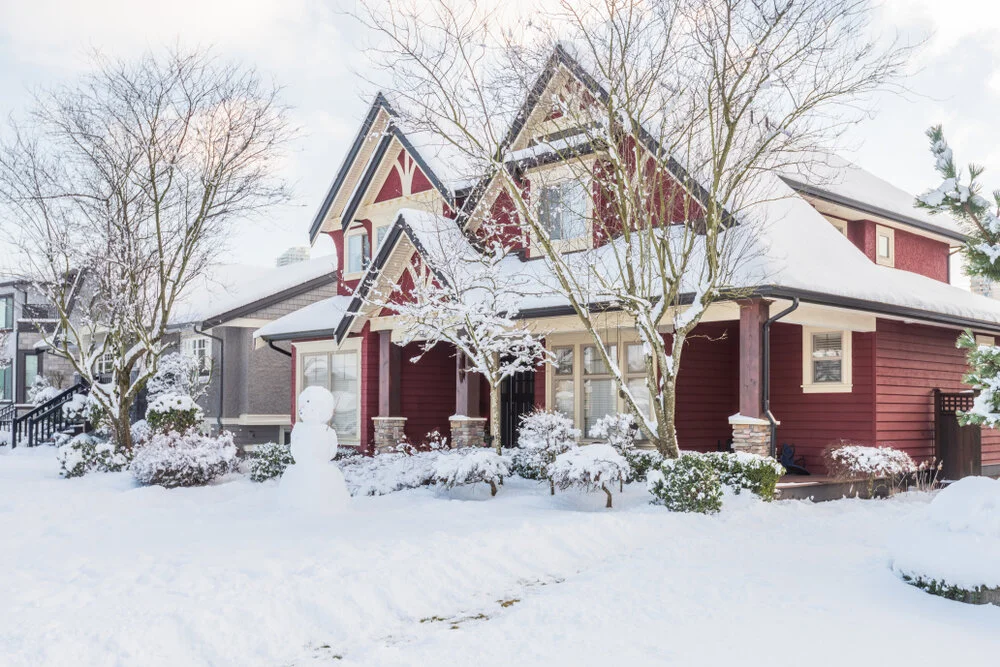
If you have freezing temperatures for more than several days a year and particularly if you often snowpack yourself against your siding, the following article is for you! We how hard the snow and freezing temperatures in building products can be.
If you own a cabin or holiday home that is not lived all year, you probably won't be able to keep snow off, and it is therefore very important to choose the right material for the construction of your snowpack areas!
Installation of a wainscoting around the lower portion of the side is typically recommended. This is usually a few feet from the front of the house, but perhaps 4-6′′ from both sides (and where the snow slides on the gable roof and sits opposite to your side). This enables you to select another snowpack covering and should be a focal point for your maintenance in the coming years. Then select fiber cement siding that doesn't crack easily in the freeze / taw and check whether your guarantee will be tactful under snowpack conditions with the manufacturer’s guarantee.
The ongoing freezing and thawing cycle puts considerable stress on every constructed surface when cold weather hits. It is what causes potholes on our roads — and can seriously damage the side of a house. The freeze / thaw cycle is due to the increase of almost 10% in water when freezing. When the temperature of the water falls below 32 ° F and is trapped into a siding material such as fiber cement, the material exerts extreme pressure when it expands.
Door Insulation
The best advice to prevent freezing of courtyard doors is to isolate the area around the doors correctly. The sealing of the doors with airtight caulk or insulation keeps harms in check and keeps the temperature comfortable indoors. You might want to consider installing a door sweep at the base of your door for patio doors which do not work on a track, such as French doors. The cold air will prevent the gap between the door and the floor from entering your homes and will further stabilize the inner temperature of your home.
Humidity Vent
Humidity is one of the most common condensing causes on doors and windows and can increase the chances of your winter patio doors freezing. It is important to regularly unload the room in which the door is located to reduce the amount of condensation forming at your door. Opening a window every day for a few minutes will contribute to reducing the level of humidity in your home and condensation at your door. When temperatures fall, the less condensed at the doors, the less likely the door will freeze.
Track Lubrication
The lubrication of the tracks of your glass door also reduces the likelihood of winter freezing. Lubricants like WD-40 have a lower freezing temperature than water and are thus better suited to keeping ice in the air and preventing the freezing of your door. Vaseline is also an effective lubricant, which can make it easier for your door to go down the path. A solution of warm water and soap may also be used to lubricate the pathways and prevent freezing.
Keep the Curtains Open
In the fight against frozen patio doors, Sunlight is your biggest ally. Keeping the blinds or curtain open during the day and closed in the night of your patio door will reduce the risk of freezing in your building. You should also regularly open your door to help break down any ice in the path.
See us at Salute Exteriors for James Hardie Siding. The James Hardie Siding is weather and water resistant and therefore, safe from any ailments.