James Hardie Siding - How to Protect from Freeze -Thaw Cycle Damage?
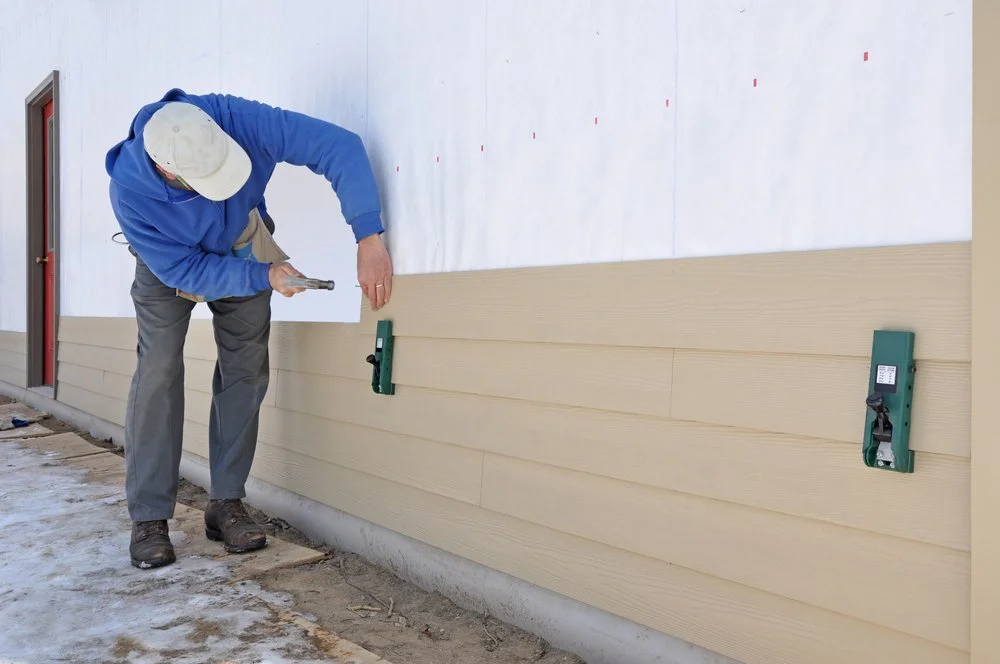
Temperature extremes can put a lot of strain on any built surface because of the constant freezing and thawing cycles. In addition to potholes on the road, it can cause serious damage to a home's siding. During a freeze/thaw cycle, water expands by approximately 10%. A siding material like fiber cement expands when it gets wet and the temperature drops below 32 degrees Fahrenheit.
Most of the cities in the United States, only experience a few freeze/thaw cycles each year. Other cities haven't been as fortunate. When it comes to the number of days of freeze-to-thaw cycles that occur in the Oklahoma area each year, it's more than double that of northern Michigan. Each year, Baltimore has 83 days and Kansas City has 79. Cracking and structural damage to James Hardie siding can occur when the freeze/thaw cycle occurs repeatedly, year after year. Contact a James Hardie Siding contractor who can guide you the best.
If you're looking for the best siding for your home, here's a look at how today's most popular siding options stack up against each other when it comes to protecting against freeze/thaw damage:
Insulation for Doors
The best way to keep courtyard doors from freezing is to make sure the area around them is properly isolated. The use of airtight caulk or insulation to seal the doors prevents harm and maintains a comfortable indoor temperature.
For patio doors that do not operate on a track, such as French doors, you might want to think about installing a door sweep at the bottom of the door. As a result, warm air will not be able to enter your residences through the opening between the floor and the door, and the temperature will be kept even lower.
Ventilation for Humidity
One of the most common causes of condensation on doors and windows is high humidity, which increases the risk of your patio doors freezing in the winter. Condensation can build up on your door if the room in which it is located is not regularly de-cluttered. Your home's humidity level and the condensation on your door can be reduced by opening a window for a few minutes every day. Frost is less likely to form on a door that is less condensed when temperatures drop.
Track Lubrication
You can prevent your glass door from freezing by lubricating its tracks. WD-40, for example, has a lower freezing point than water, making it better for preventing ice from forming on your door. A lubricant like Vaseline can help your door move more easily down the path. Another option is to lubricate the pathways with warm water and soap.
Let Your Curtains Remain Opened
In the battle against frosted patio doors, sunlight is your most important allies. Keeping your patio door's blinds or curtains open during the day and closed at night will help prevent your building from freezing. You should also open your door on a regular basis to help melt any ice that may be blocking your path.
Visit us at Salute Exteriors at Oklahoma City to get in touch with our James Hardie Siding contractors. Our industry experts will guide you through the process flawlessly.