The Thin Line between James Hardie and Vinyl Siding
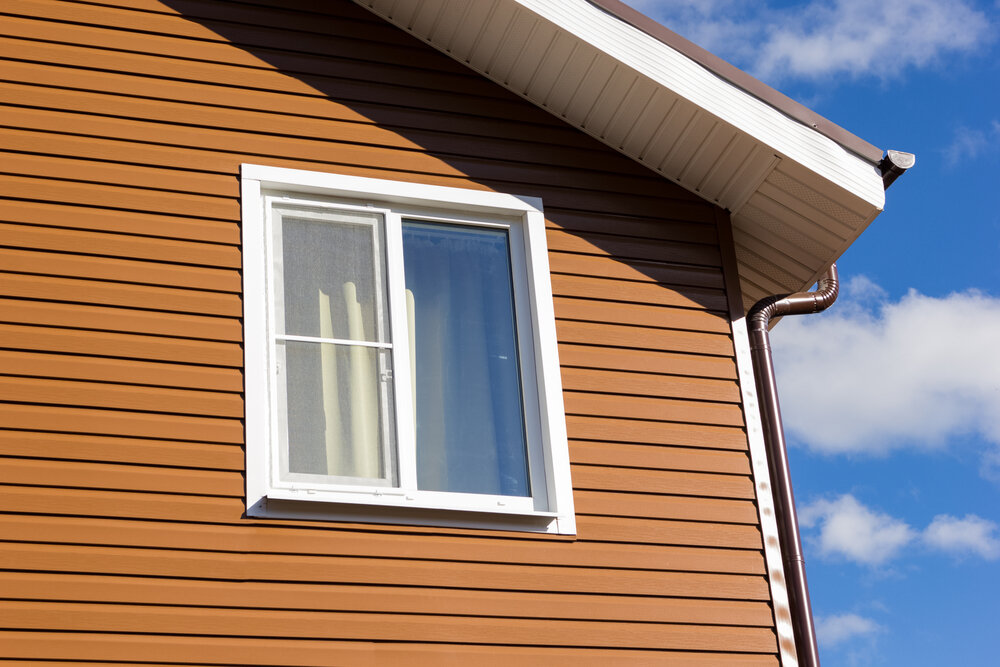
Everybody desires a lovely home. Unfortunately, you take more than just a finger snap. Roofing has to be installed, coats of paint have to be done and appealing and lasting siding has to be picked.
That is why we have put up a detailed guide on the appropriate place to choose your home. We analyses the benefits and costs among fiber cement panels in this guide, popularly known as hardiplank vs. vinyl siding. The appearance and aesthetics, upkeep, impact on resale at house and cost for both types of siding are vital to consider. Finally, we want you to be confident that you choose the ideal place for your home. Talk to a James Hardie Siding contractor if you wish to learn more about it.
Fiber Cement Siding
Fiber cement siding typically means "hardiplank" or even "hardy board," named after James Hardie' popular brand.
Fiber cement boards are made from wood pulp combined with Portland cement. The planks or individual shingles thereby imitate the look of classic wood facing in an exceptional manner.
It is also installed to the same extent as the classic lapboard or wooden sideboard, as it is immediately closed to your home.
Vinyl Siding
Vinyl siding is a 20th century invention. It is quite popular because it is robust, inexpensive and installed quickly. According to the U.S. Census Bureau, vinyl siding is America's most popular foreign home. In 2010, it was installed on 36% of new homes.
It's not nailed directly to the side of your house, unlike cement fiber siding. It can therefore be expanded and contracted. This makes it particularly popular in areas with a wide range of seasonal temperatures.
What looks more Beautiful?
Due to vinyl and hardie board manufacturers' ability and originality, both kinds of siding provide a broad selection of beautiful possibilities.
When first designed and produced, natural or cedar shakes are closer imitated by fiber cement. However, vinyl siding can very closely mimic original wood shingles and their naturally uneven appearance.
In terms of color, vinyl and fiber cement come in a variety of colors. If you want to change the color of your home, it is easier to repaint fiber cement. Some cement fiber facilities are also unpainted, so you can be more versatile if you want to apply a bespoke color.
On the other side, vinyl siding is available in a far broader array of colors. Vinyl side goods can be created to imitate practically any natural side appearance, so that you offer your home its historic character more reasonably.
If your first concern is a natural aesthetic without the expense of natural materials, you are probably more content with fiber cement. While vinyl items look beautiful, take into consideration that fiber cement facing is produced to look almost the same as natural materials. The fiber cement installation also resembles the tiny flaws in the installation of a natural material. Finally, because fiber cement is partly a wood product, it holds paint and has a sheen of the surface which is almost equal to full wood products. Although vinyl products can imitate wood grain, vinyl is nothing like wood as a substance.
Finally, if you reside in an area known as historical, it is likely that there are restrictions on the type of construction materials you can use. If this is the case, vinyl siding is very unlikely to be installed. Many historic areas, however, may accept fiber cement as a replacement to genuine wood. This is enormous for those who want to refurbish on a budget. Just check local building codes to ensure fiber cement is accepted.
Choose Salute Exteriors if you wish to install this Siding in your home in Oklahoma City. Our James Hardie Siding contractors will help you throughout.