Type of Siding Option You Need to Know
House siding is one of the largest investments you can do for your home exterior. When contractors usually set up siding, the cost of labor raises overall costs. Therefore, as siding on the retail market can be hard to estimate, the underlying material costs are also difficult to assess. But there are various styles of siding for your house. Starting from fiber cement siding or James hardie siding to plywood siding, you can choose from a range of options. Read here for details.
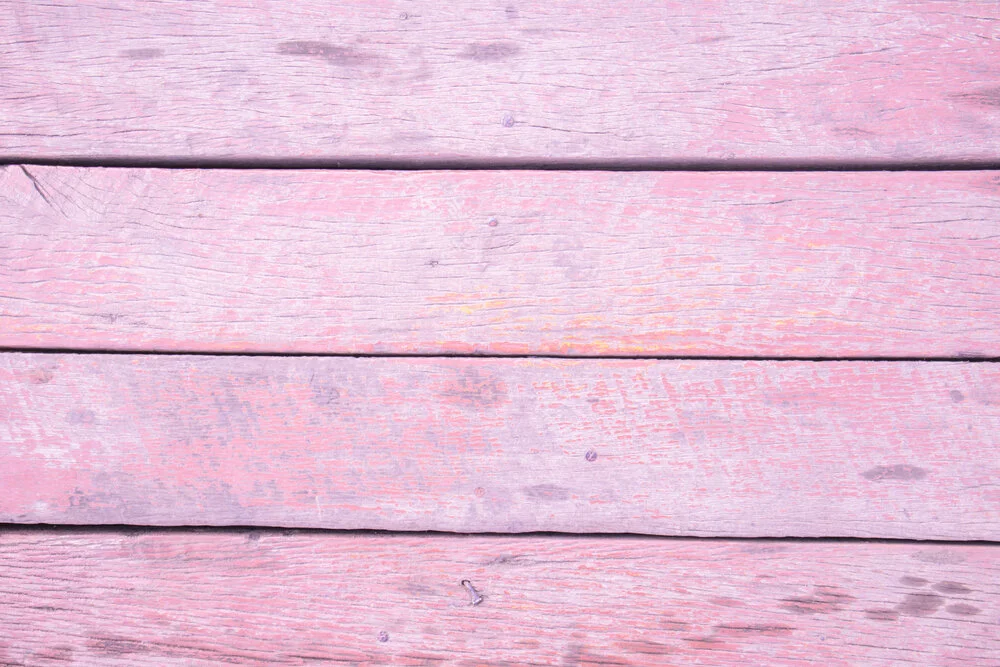
Plywood Siding
Plywood siding goes up easily as it is available in large sheets. Plywood is a budget siding option that is fairly inexpensive. Siding plywood is not the sort of external grade plywood that you might use in sheds. The exterior surfaces of homemade plated wood have a rugged, organized look and their borders are locked to allow them to fit closely.
One way to make this work is by matting it with a more stylish, premium material on the house's façade if it is deferred by a placed-wood sideboard. For instance, three side plywood, with fabricated veneer stone or cedar shingle, could be made of the front of the house.
Pros
Ply is a wood which is rigid, and thus prevents substantial expansion, contraction, tightening and swelling.
You would get plywood siding in 8 foot long sheets or longer for faster installation.
Vertical grooving gives the illusion that multitudes of boards are more appealing to the eye than a single wide surface.
Plywood is one of the few siding models which can be regarded as a self-serving material. Do-it-yourselves are mounted on their homes and repair them regularly.
Cons
While plywood can be used for low-cost purposes, it is not known as a luxury material and can therefore reduce the resale value of your house.
It can be hard to handle plywood siding since it is available in large formats. Two or more people typically have to be mounted.
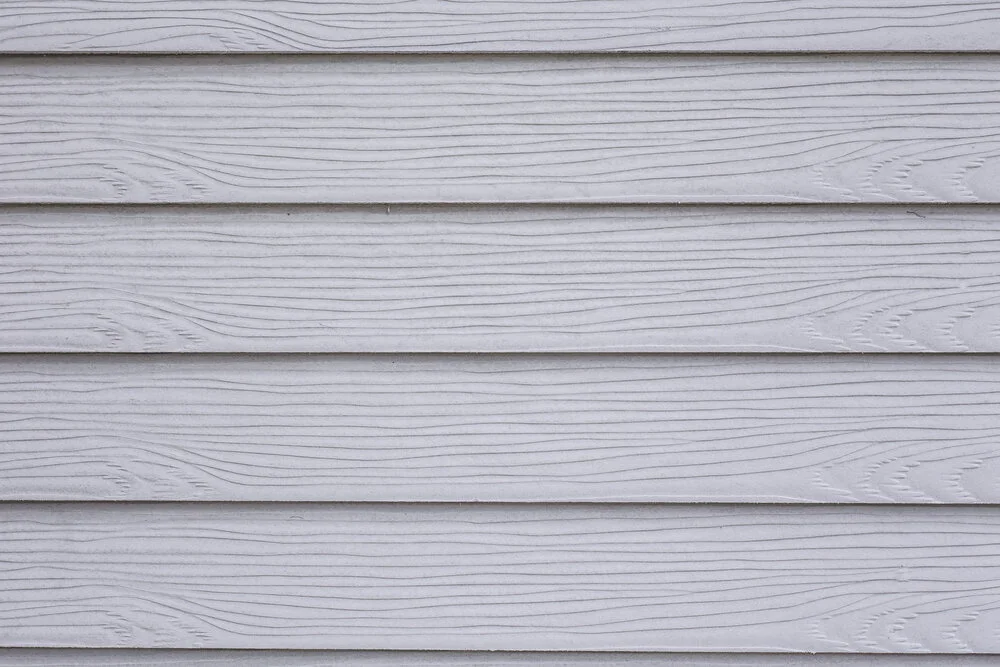
James Hardie Fibre Cement Siding
Hardie Board continues to be America's number one siding. Fiber cement consists of cellulose, sand and water wood fibres. This is also a long-lasting material intended to imitate wood. The Hardie Board has also been built for the environment and hence for all parts of the world it is a durable siding. Yet it has many benefits as well as drawbacks, as with any side product.
Fiber cement siding is in different ways one of the best choices for your home siding. This is durable and fireproof. This looks like natural timber siding and appears to be priced higher than other siding styles. This is made from 85% cement-like materials like sand, clay, fly ash and 15% cellulose fibre. Below are the advantages and drawbacks of picking a siding board for your house.
Pros
Fibers are considered to be stronger than vinyl fabric and furnace material.
This is burn resistant. HardiePlank, for example, has a fire ranking that goes well beyond vinyl or natural timber.
The thickness of the fiber cement hand strongly imitates real wood plywood.
The siding is durable with extreme resistant to harsh weather
Lasting color with no chance of fading away
The siding is resistant to storm
It is also environmental friendly
Disadvantages
It could be hard to mount fiber cement siding on your own. Many homes are contracted to eligible fiber cement installers for this project.
It's not fireproof, but it is fire-resistant. Resistant to fire means that the spread of fire slows down. Cellulose fiber-cement, or wood, material permits burning.
Costly fiber-cement, both in terms of installation and cost of the product.
Can be difficult to install
Labor cost is a bit high
You can visit Salute Exteriors in OKC for Fiber Cement and James Hardie siding installation as this gives a different and durable look to your house.