Why Environmentalists Stand for Fiber Cement Siding?
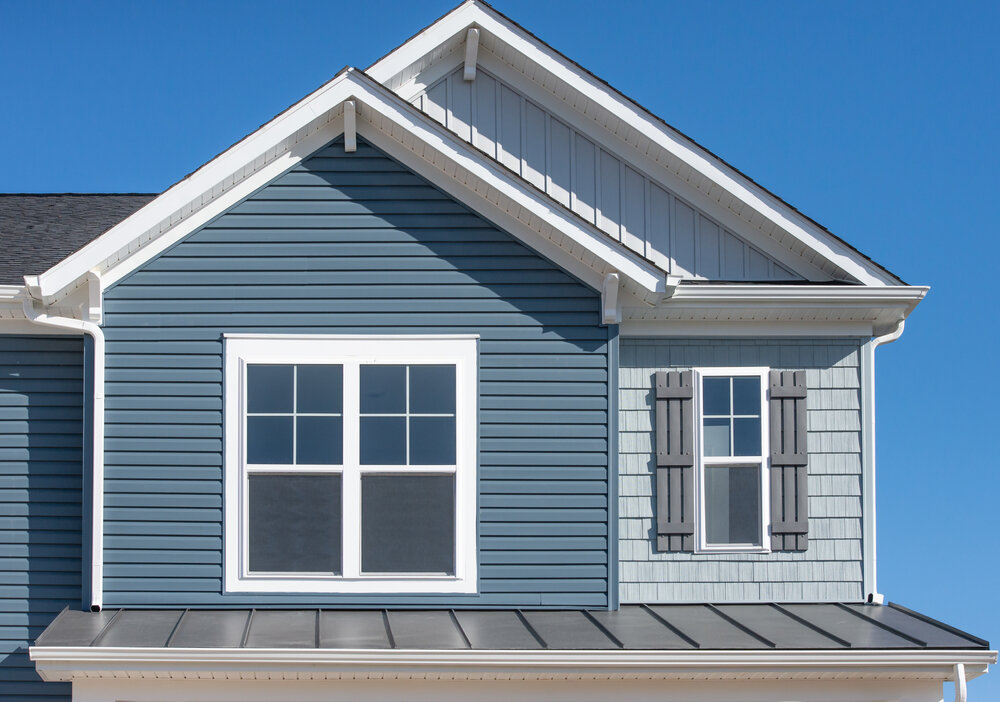
The use of materials by architects is what puts together a building, from simple sculptures to apartment complexes. Some of these goods, however are not sustainable and can end up harming the environment. A greener option is fiber cement.
Thanks to its eco-friendly advantages and cost-effectiveness, fiber cement is rising to the top of its competitors. Just a few examples of materials exceeded by fiber cement are wood, standard cement, vinyl and stucco. Therefore, James Hardie siding contractors recommend this considering the endless benefits to the environment.
Construction workers would look for the most productive direction when constructing a home or building of any kind. The selection of a more sustainable fiber cement route will yield the best results from that direction. Here are the principal advantages:
Lifespan Over
One of the first things you'll note when contrasting fiber cement to other siding products like wood or vinyl is the lifetime. By outlasting the market, fiber cement goes above and beyond what other tools can do. For up to 50 years, it will last.
The longer lifespan means that homeowners would not have to fix their siding as often and repair it. Instead, over the years, they will save money and generate less waste. It would not be necessary to do regular checkups and maintenance as much, resulting in cost savings.
Sustainability
When it comes to eco-friendliness, sustainability is a key factor. It's the primary reason why cement fiber is becoming so popular. During processing, standard cement needs a lot of water, while fiber cement depends on recycled materials and consumes less energy. With water shortages in many places around the world, it is important to use products that reduce the use of water.
The main components of fiber cement are cement, sand, cellulose and recycled wood, making it a stand-out for sustainable building materials. Natural siding materials such as wood are of course, often eco-friendly, but only to a degree. They're more difficult to recycle once they start breaking down. The bits, in reality, are better off being part of the mix of fiber-cement.
Reduce, Reuse, Recycle
The underlying manufacturing process is one of the largest environmental benefits of fiber-cement siding. Fiber-cement siding is made of recycled materials and other items that are renewable. Cement, sand, and cellulose are the general make-up of the material, solid, but essentially normal. And although the natural part of the wood siding is down, the environmental harm caused by the cutting down of old trees has been enormous. With fiber-cement siding, without the unpleasant environmental effects, you get natural materials.
Similarly, although aluminum siding is made of recyclable material, during renovations, it degrades relatively rapidly and often does not enter a recycling network. And vinyl is neither recyclable nor biodegradable as far as vinyl siding is concerned. This implies that when removed from a house, it actually piles up in landfills.
Human Wellbeing Highlighting
Toxic off-gassing may also result from vinyl siding, a method that is a possible contributor to a number of environmental diseases. Off-gassing occurs as synthetic materials release volatile organic compounds (VOCs). Siding with fiber-cement, however is biologically inert. This implies that with the substance there is no off-gassing.
VOCs, including synthetic carpets and adhesives, air fresheners, and many cosmetics, include many popular household products. Research indicates that exposure can cause symptoms of headaches, ear, nose and throat, nausea, and increased irritation of asthma. They may also be related to liver and kidney damage and cancer in the long term. When safer and more stable alternatives exist, why increase your exposure to potentially harmful materials?
Beauty
The reputation of strength for fiber-cement siding, including its fireproof and anti-rot properties, is complemented by its aesthetically appealing characteristics. Have you dreamed of a wood-sided home, but felt bad about the effect on the environment? Or maybe you want to avoid the high level of wood maintenance required. Without any negative qualities, you can now have the look of wood. To imitate the appearance of wood, with realistic coloring and wood grain, James Hardie fiber-cement siding can be produced.
See us at Salute Exteriors in OKC for James Hardie Fiber Cement Siding in Oklahoma City.