Why to Choose Fiber Cement Siding over Vinyl Siding?
When you build siding on your home, you often start with great ideas, and these great ideas gradually decrease as reality strikes you. In contrast to the more cost-effective alternative of vinyl siding, it is easy to answer all factors if you are trying to decide between fiber cement boards such as HardiePlank.
James Hardie siding and other fiber cement siding boards are clearly the winners of vinyl recesses in all areas with the exception of cost. But as with all the other things at home, it's the numbers that were preceded by the dollar sign that can quickly change your decision.
Thickness
HardiePlank is much thicker than vinyl. HardiePlank is thick just like real wooden lap siding. Although the thickness is different, HardiePlank's mean thickness is 5/16 "or more than 1/4" thick.
Vinyl siding is, on the other hand, much thinner: 0.040 to 0.046 inch. The vinyl side is therefore approximately 2.5 times smaller than HardiePlank.
Combustibility
Fire and extreme heat is affected more than HardiePlank by vinyl siding. HardiePlank has cement-like materials and cellulose fibers of about 10 to 5%. Contractors often complain that the cement dust clouds are being raised from the fiber cement board. The dust can lead to acute silicosis if inhaled, extreme care must be taken.
Vinyl sidings are treated to be fire retardant to slow down fire spread. Sometimes firefighters comment on how houses with vinyl siding next door to a burning house are badly distorted by the heat next to them. An adjacent vinyl siding house is often affected by a burning house up to 60 feet far.
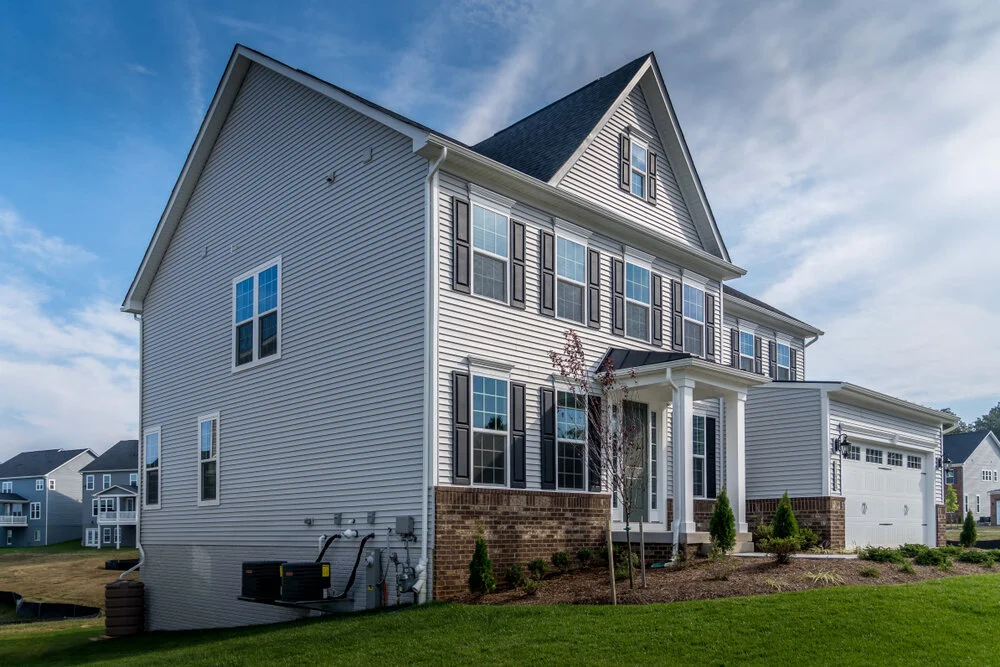
Texture
Since the thickness of HardiePlank makes the texture deeper than vinyl siding. The thickness of HardiePlank permits a deep printing and therefore looks more like real wood.
Vinyl siding is usually wooden, but the product is too slender to permit the deep textures found on HardiePlank, other fiber-cements or actual wood brands.
Efficiency of Energy
When you compare these two types of retraction and see the most energy efficient option, you find that vinyl retraction takes the win. Vinyl siding can be fitted with additional isolation, enhance material efficiency and make it the best isolation option.
Friendly to the Environment
You will find that fiber cement is at the top of the list when discussing which side is more eco-friendly. Sustainable products such as wood fibers are used in this type of facing. Unlike vinyl sidings, no fossil fuels are used to build fiber cement.
Longevity
The fiber cement is durable, as well as vinyl siding. The only durability difference is that vinyl clogging will potentially not absorb moisture such as fiber cement. That said, the factor of durability really lies in the connection between the two sides. Maintenance
You must do more maintenance than vinyl siding when fiber cement siding. It must be painted, painted, and with time it will fade. In general, vinyl siding doesn't have these problems, which makes it the least maintenance.
Resistance to fire
Siding with fiber cement is much more fireproof than vinyl. This is due to the fact that cement fiber side is flammable and no vinyl side.
Effectiveness
The cheaper of the two siding types is vinyl siding. This is when you take the original cost into account. But vinyl siding may have to be replaced earlier than fiber cement filling, which makes fiber cement a longer-term, more cost-effective choice. When you expect the foreseeable future to be in your house, fiber cement is the cheaper option over your home’s lifetime!
Contact Salute Exteriors for James Hardie siding contractors in Oklahoma City. Reach us for all your siding needs.