Why Wood Siding Is Losing Its Popularity?
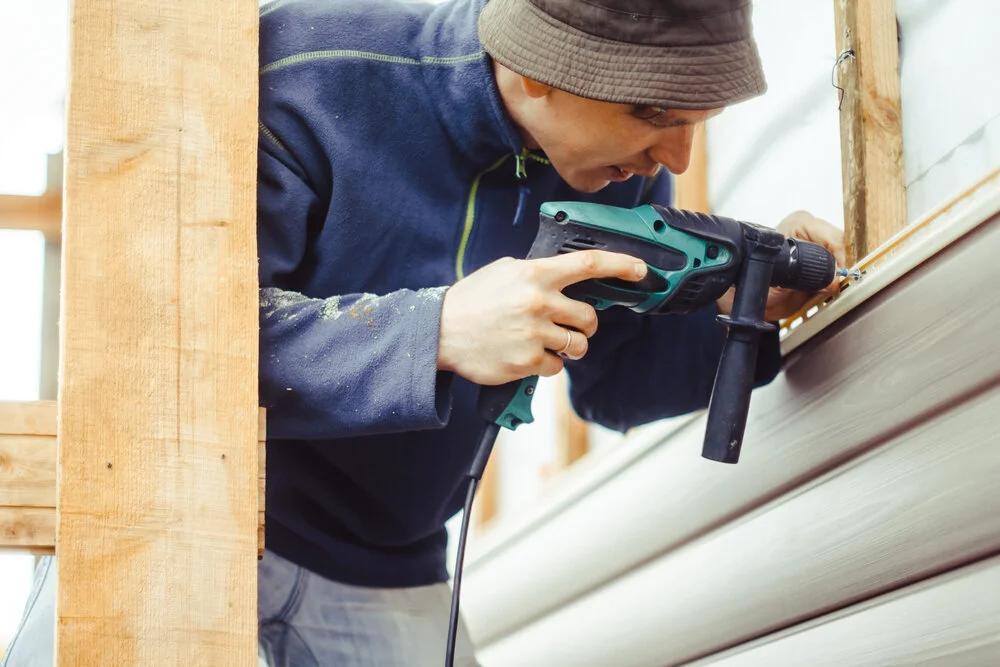
Wood siding has been a mainstay of home construction for a long time, but it has gone out of favor in terms of appeal. For a simple reason, that is, wood siding does not offer the same value as other siding materials available today. Before, wood siding was considered a reliable, readily accessible and lightweight building material that could last for a few dozen years or longer. But today's building codes need siding to survive for decades while protecting against moisture, bugs and other threats. In lieu of traditional wood siding, many homeowners have switched to vinyl or fiber-cement or James Hardie siding. These alternatives to wood siding have a lot of advantages. Some of the reasons why wood siding is inferior to modern manufactured siding materials include the following:
Cost
Forest destruction and government regulations are driving up the cost of wood. The process of making wood siding is much more time-consuming and labor-intensive than siding that is readily available. As a result of these factors, wood siding is more expensive to install up front.
Wood siding is also more expensive to maintain. In contrast to other siding types (such as vinyl siding), wood siding requires regular care. To ensure that your wood siding lasts as long as it should, you'll need to wash it and paint or finish it every few years. However, with James Hardie Siding, this is nothing to worry about.
Weaknesses
There are a few drawbacks to wood siding, but we've been able to solve them by developing improved materials. For example, if you're placing wood siding on your home, you'll need to be aware of temperature swings as well as sun exposure and water penetration.
Heat and Cold
Wood siding will expand and compress as the temperature rises and falls throughout the course of the day. Siding materials change in size naturally, but wood is particularly susceptible to temperature variations, which can cause the siding to distort or fracture over time. Here in Oklahoma, where temperatures can fluctuate from a sunny, 80-degree day, to a blustery, frigid night, that's a particularly undesirable trait. Material for siding today is far more pliable and resilient, so it's much more difficult for it to deform or fail when temps fluctuate.
Excessive Exposure to the Sun
It's possible that the sun's rays will degrade and deform wood over time. When your wood siding is exposed to the sun, it can become weak and vulnerable to rain. If your wood isn't UV-protected, it will quickly yellow, making your home look old and neglected.
Penetration of Water
Wood is a natural water absorber. Water-repellent siding is another option. As long as water doesn't sit on wood's surface for too long, it will eventually absorb water. As a result, your siding may fracture and deteriorate, and you may experience a leak in your home. Mold and mildew growth on wood siding can also be facilitated by water exposure. Mold and mildew damage and discolor wood over time, and they can spread across the surface of your home's walls and ceilings as well.
Keep Your Trust in Us
Salute Exteriors in Oklahoma has James Hardie Siding experts. Ask us and get it installed to enjoy all it benefits.