The Journey of Fiber Cement Sidings from the 1900s to Today
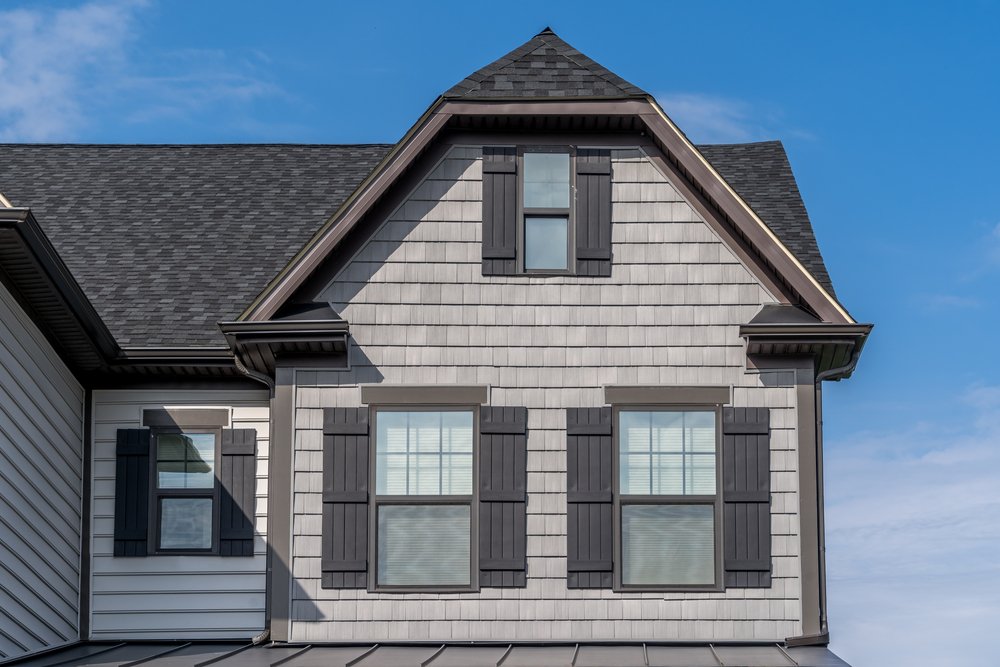
The fiber cement material is one that is gradually growing in acceptance among the residents of Oklahoma City. Fiber cement siding comprises cement and reinforced cellulose fiber. The resultant composite is tough, durable, and versatile fiber cement that is often useful to homes for sidings and roofings. These come in various different shapes, sizes, and colors. Fiber cement is also cost-efficient, in addition to being high-performance and fire-resistant.
Fiber cement has evolved over the decades. A lot of us don’t know the story behind the rise of these sidings. In modern times, it is an innovative, flexible, and dependable material, but where did it all come from? In this blog post, we are going to talk about exactly that.
The Origins of Fiber Cement Siding Solutions
For centuries, homeowners have relied on wood, stone, and bricks to erect barriers between their homes and elemental damage but historically speaking; they have been less than satisfactory.
Wooden panels and shingles are susceptible to rotting and insect infestations. Brick and stone may be immune to such problems, but they are much heavier. Meaning the installation is a money, effort, and time-consuming endeavor.
In the early 1900s, an Austrian inventor and entrepreneur, Ludwig Hatschek, solved this decade-old problem by developing a long-lasting construction panel out of regular cement and asbestos fiber. Hatschek pressed the fiber and cement mixture in a cardboard press. The thing “cladding” that he came up with featured exceptional durability, in addition to being relatively affordable and low maintenance. Europe lapped up this first asbestos-cement prototype; it was even used in World War II as a fireproof roofing and siding option.
Where Do Fiber Cement Siding Solutions Stand Today?
After single-handedly reigning as a durable exterior siding and roofing solution for several decades, scientists discovered that asbestos fibers were not safe for the occupants. That was the end of asbestos-cement sidings. However, in the 1980s, a safer but equally long-lasting alternative came to the llimelight. This replacement used a blend of cellulose fibers and cement, giving us what we today call fiber cement siding.
Within a couple of years, the popularity of fiber cement siding took off. Aided by its affordability, versatility, and exceptional quality, this type of siding has held on to its widespread fame. In America, a whopping 15% of newly constructed homes have fiber cement siding. If nothing, it is a testament to the material’s performance, minimal upkeep, resistance to rot and fire along with remarkable efficiency in the face of Oklahoma’s brutally cold winters.
Sidings That Outlast the Years
The crew at Salute Exteriors is extremely dependable and hard-working. We offer superior James Hardie fiber cement siding to homeowners in Oklahoma City and Edmond. We are also veteran owned and operated. Call us at (405) 550-2444 for more details on our products and services.